Green Washi Tape: A Versatile Tool for Creative and Practical Workflows
Green Washi Tape is more than just a decorative element—it’s a functional tool that can enhance various creative and practical workflows. Whether you're working on a design project, organizing your workspace, or managing a business process, Green Washi Tape offers a simple yet effective way to streamline tasks and improve organization.
Understanding Green Washi Tape
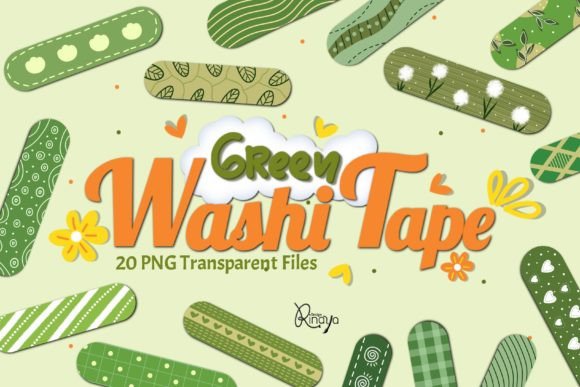
Green Washi Tape is a type of decorative adhesive tape that features a patterned or textured surface, often in shades of green. Unlike traditional masking tape, it's designed for use in crafting, design, and office settings. Its lightweight and non-damaging properties make it ideal for temporary applications without leaving residue or damaging surfaces.
What sets Green Washi Tape apart is its versatility. It can be used for both aesthetic and practical purposes, making it a valuable addition to any creative toolkit. From marking sections of a project to organizing digital files, this tape can be integrated into multiple stages of a workflow with ease.
Where Green Washi Tape Fits Into Broader Processes
Green Washi Tape isn't limited to one specific task or project. It can be used before, during, or after a variety of activities, depending on the needs of the user. For example:
- Before a project: Use Green Washi Tape to mark off areas of a workspace or label sections of a design layout.
- During a task: Apply it as a visual guide for alignment or to separate different elements in a composition.
- After a decision: Use it to highlight completed steps or create a visual checklist for ongoing projects.
This adaptability makes Green Washi Tape an excellent choice for professionals, creators, and hobbyists alike. It supports a wide range of workflows, from creative design to productivity management.
Integration With Other Tools and Resources
One of the key strengths of Green Washi Tape is its compatibility with other tools and resources. It works well with digital design software, physical craft materials, and even organizational systems. For instance:
- Digital Design: When using graphic design software like Adobe Photoshop or Illustrator, Green Washi Tape can serve as a visual aid for layout planning and alignment.
- Crafting: In paper crafts, scrapbooking, or card making, it helps in creating clean edges and separating layers without the need for additional tools.
- Office Organization: It can be used to label folders, mark priority tasks, or create temporary boundaries between work areas.
By integrating Green Washi Tape into existing workflows, users can enhance efficiency and maintain consistency across their projects. It complements other tools rather than replacing them, offering a flexible solution that fits seamlessly into daily routines.
Practical Implementation Tips
To get the most out of Green Washi Tape, consider the following tips for practical implementation:
- Plan Your Layout: Before applying the tape, visualize how it will fit into your workspace or design. This helps avoid unnecessary adjustments and ensures optimal use.
- Use for Temporary Markers: Since Green Washi Tape is removable and repositionable, it's perfect for temporary markers or placeholders during the creative process.
- Combine with Other Materials: Pair it with stickers, labels, or printed graphics to create visually appealing compositions that align with your project goals.
- Keep It Organized: Store Green Washi Tape in a designated area to ensure it's always accessible when needed. This helps maintain workflow efficiency and reduces time spent searching for supplies.
These strategies not only improve usability but also contribute to long-term efficiency. By incorporating Green Washi Tape into your routine, you can save time and reduce errors in both personal and professional settings.
Workflow Examples and Use Cases
Let’s explore a few real-world examples of how Green Washi Tape can be used within different workflows:
Design Workflow
In a design workflow, Green Washi Tape can help organize digital mockups or physical prototypes. For instance, designers might use it to separate different sections of a layout or to mark areas that require further refinement. This visual separation aids in maintaining clarity and focus throughout the design process.
Business Workflow
For small business owners or entrepreneurs, Green Washi Tape can be used to label inventory, mark deadlines, or create temporary signage for events. It's a cost-effective alternative to more permanent solutions, allowing for flexibility and easy adjustments as needed.
Learning Activity
When teaching or facilitating learning activities, Green Washi Tape can be used to create interactive elements. For example, educators might use it to divide a whiteboard into sections for different topics or to highlight key concepts during a lesson. This enhances engagement and makes complex ideas more digestible.
Factors to Consider for Long-Term Use
While Green Washi Tape is convenient, there are several factors to consider for long-term use:
- Preparation: Ensure that surfaces are clean and dry before applying the tape to prevent sticking issues.
- Compatibility: Check if the tape is suitable for the material you're working with—whether it's paper, fabric, or digital assets.
- Usability: Choose the right size and texture based on your specific needs. Some tapes are better suited for detailed work, while others are ideal for larger projects.
- Organization: Keep track of your tape usage to avoid waste and ensure it's always available when needed.
- Quality Control: Invest in high-quality Green Washi Tape to ensure durability and consistent performance over time.
By considering these factors, users can maximize the value of Green Washi Tape and integrate it effectively into their daily routines.
Conclusion
Green Washi Tape is a versatile and practical tool that can enhance a wide range of workflows. Whether you're a designer, educator, entrepreneur, or hobbyist, its ability to support creativity, organization, and efficiency makes it a valuable asset. By understanding how to integrate it into your processes and using it thoughtfully, you can unlock new levels of productivity and innovation in your work.